

Pest Control Services in Athens, AL
Athens sits at the heart of Limestone County, where the Tennessee River Valley's humid subtropical climate creates ideal conditions for pests year-round. From historic homes near the courthouse square to newer subdivisions stretching toward Interstate 65, Athens properties face unique pest pressures that demand localized expertise. The combination of fertile agricultural surroundings, mature hardwood forests, and seasonal temperature swings means residents encounter everything from spring termite swarms to winter rodent invasions.
Our technicians understand how Athens's limestone-rich soil affects termite behavior, how the Elk River basin influences mosquito breeding patterns, and which overwintering pests seek shelter when cold fronts sweep down from the Tennessee Valley Divide. This geographic knowledge translates into more effective treatments and longer-lasting protection for your home or business.
Residential Pest Solutions
Homeowners throughout Athens's established neighborhoods and developing areas benefit from comprehensive protection plans tailored to local conditions. Common residential services address the pests most prevalent in Limestone County:
- Termite control — Subterranean termites thrive in our region's moist, mineral-rich soil. Annual inspections and preventive treatments protect structural integrity, particularly for homes with crawl spaces or wood-to-ground contact common in older Athens construction.
- Mosquito reduction — Properties near Swan Creek, Cane Creek, or any of the area's spring-fed waterways experience heightened mosquito activity. Targeted larvicide applications and adulticide barriers make outdoor spaces usable again during peak season.
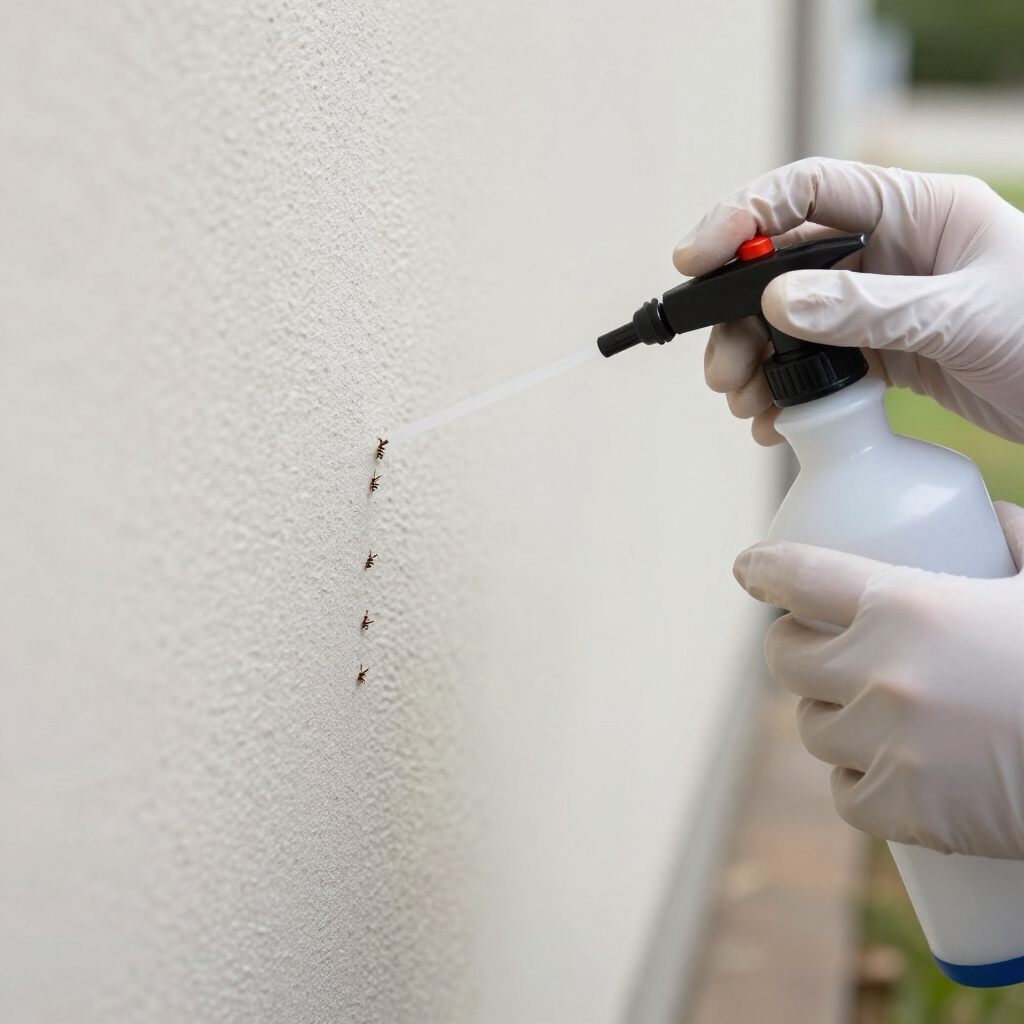
- Ant management — Fire ants mound aggressively in sunny lawns, while odorous house ants and Argentine ants trail indoors seeking moisture. Identification-based treatment ensures elimination rather than temporary displacement.
- Spider and occasional invader control — Brown recluse spiders favor undisturbed storage areas, while millipedes, pillbugs, and crickets surge during seasonal transitions. Perimeter treatments and habitat modification reduce indoor encounters.
- Stinging insect removal — Paper wasps, yellowjackets, and bald-faced hornets nest in eaves, shrubs, and ground cavities throughout Athens's residential areas. Professional removal eliminates safety hazards without unnecessary environmental impact.
Commercial Pest Management
Athens's business community—including restaurants along US-72, retail centers, agricultural suppliers, healthcare facilities, and manufacturing operations—requires pest programs that balance effectiveness with operational continuity. We develop integrated pest management plans compliant with food safety regulations, audit standards, and industry-specific requirements. Discreet service scheduling minimizes customer impact while documentation supports compliance needs.
Seasonal Pest Calendar for Athens
Understanding when pests become active helps Athens residents time preventive measures effectively:
Spring (March–May): Termite swarmers emerge as temperatures climb. Ant colonies expand and send foragers indoors. Mosquitoes activate with standing water from spring rains.
Summer (June–August): Mosquito populations peak. Fire ants mound prolifically. Stinging insects build nests to maximum size. Occasional invaders like earwigs and crickets seek cooler indoor microclimates.
Fall (September–November): Rodents begin interior migration as temperatures drop. Overwintering pests—stink bugs, lady beetles, boxelder bugs—cluster on sun-warmed exterior walls seeking entry points.
Winter (December–February): Rodent activity intensifies indoors. Termite colonies remain active in heated structures. Spider sightings increase as prey insects concentrate near warm foundations.
Frequently Asked Questions About Pest Control in Athens
How does Limestone County's soil affect termite risk?
The karst topography and limestone bedrock underlying Athens create naturally moist soil conditions that subterranean termites prefer. Our soil stays warmer longer into winter and warms earlier in spring, extending termite foraging seasons compared to surrounding regions. Homes with minimal foundation clearance or wood contacting soil face elevated risk and benefit most from preventive termite barriers.
Why do I see more pests inside after rain?
Heavy rainfall—common during Athens's spring and summer storm patterns—floods ground nests and raises water tables, forcing ants, spiders, and other soil-dwelling pests to seek higher, drier ground. Your home's foundation and crawl space offer refuge. Additionally, moist conditions accelerate mosquito emergence from previously dry breeding sites. Post-storm perimeter treatments and moisture management in crawl spaces significantly reduce these invasions.
Are the pest control treatments safe for my garden and livestock?
Many Athens properties maintain vegetable gardens, fruit trees, or small livestock operations typical of our agricultural heritage. Modern application techniques target specific pest habitats while minimizing exposure to non-target organisms. We select products and application methods appropriate for your property's unique combination of residential, ornamental, and agricultural uses—always communicating any temporary restrictions before treatment.