
Termites are often called "silent destroyers" for good reason. These tiny pests can cause extensive damage to your home before you even realize they've moved in. Unlike ants or cockroaches that you might spot crawling across your kitchen counter, termites prefer to stay hidden deep within walls, floors, and foundations. Knowing what to look for can save you thousands of dollars in repairs and protect the structural integrity of your biggest investment. Here are the key warning signs that termites may have already established themselves in your home.
Common Signs You May Have Termites
Recognizing the early indicators of a termite infestation requires paying attention to subtle changes in and around your property. One of the most telltale signs is the presence of mud tubes along your foundation, exterior walls, or crawl spaces. Subterranean termites build these pencil-width tunnels from soil, wood particles, and saliva to maintain moisture while they travel between their colony and food source. Break open a mud tube and you may find active worker termites inside.
Another major red flag is damaged or hollow-sounding wood. Tap on baseboards, window sills, door frames, and wooden floors with a screwdriver handle. If the wood sounds papery or hollow, termites may have eaten the interior structure while leaving a thin veneer of paint or wood intact. You might also notice blistering or darkening on wood surfaces, which can look similar to water damage.
Discarded wings near windowsills, doors, or light fixtures indicate a recent termite swarm. Reproductive termites, called swarmers, emerge in spring to mate and establish new colonies. They shed their wings shortly after landing, leaving behind small piles of delicate, equal-sized wings. Finding these wings indoors almost certainly means a colony is nearby or already inside your home.
Frass, or termite droppings, is another sign specific to drywood termites. These pellets look like tiny wood-colored grains or sawdust and often accumulate in small piles beneath infested wood. Unlike subterranean termites, drywood termites push their waste out of small kick-out holes in the wood they're consuming.
Subtle and Often Overlooked Indicators
Some termite warning signs are easy to dismiss or attribute to other causes. Peeling paint that resembles water damage, for instance, can actually result from termites creating moisture pockets within walls. Sticking windows and doors that suddenly become difficult to open may not be due to humidity alone—termites produce moisture when eating through door and window frames, causing the wood to warp.
Headboards, wooden furniture, and shelves can also harbor hidden infestations. Check for maze-like patterns inside broken furniture pieces, or tap wooden items to test for hollowness. Even your attic is vulnerable, especially if you have exposed wooden rafters or stored cardboard boxes, which termites find particularly appetizing.
Outside your home, pay attention to any wood that contacts soil directly. Fence posts, deck supports, and firewood piles stacked against your house create ideal bridges for subterranean termites. Soggy or broken roof tiles and clogged gutters can also invite moisture-loving termites by allowing water to seep into wooden roof structures.
Key Tips for Protecting Your Home
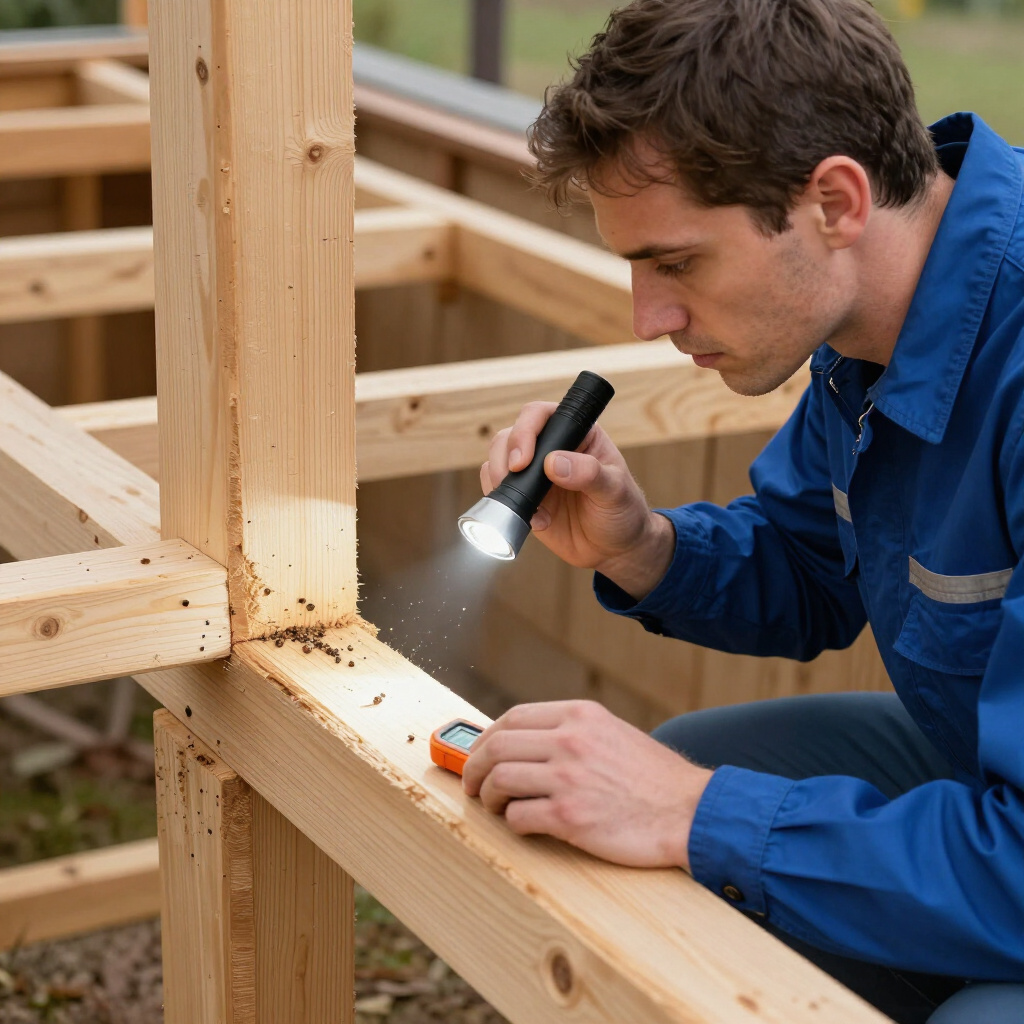
Regular inspection is your best defense against costly termite damage. Walk around your property at least twice a year with a flashlight and screwdriver, examining the foundation, crawl spaces, attic, and any wooden structures. Focus especially on areas where wood meets soil or where moisture tends to accumulate.
Reduce termite attractants by keeping firewood elevated and at least twenty feet from your home, repairing leaky pipes and faucets promptly, and ensuring proper drainage around your foundation. Trim shrubs and tree branches so they don't touch your house and create covered pathways for termites. Install mesh screens over vents and seal cracks in your foundation to block entry points.
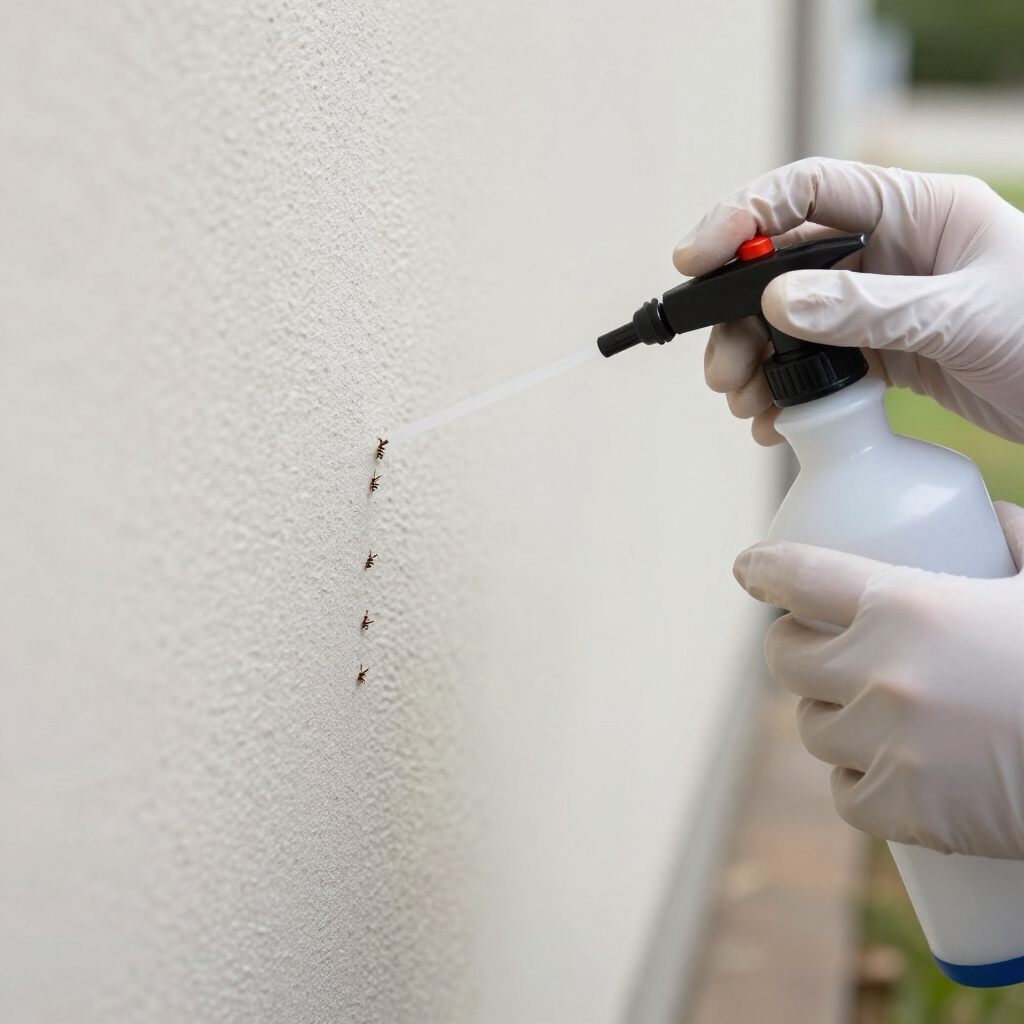
If you discover any signs of termites, resist the urge to treat the problem yourself. Over-the-counter sprays and baits rarely eliminate entire colonies and may simply drive termites deeper into hiding, making professional treatment more difficult later. Contact a licensed pest control professional who can identify the termite species, assess the extent of infestation, and recommend appropriate treatment options such as liquid termiticides, baiting systems, or fumigation for severe drywood termite cases.
Final Thoughts
Termites work slowly but relentlessly, and the damage they cause is rarely covered by standard homeowners insurance. The sooner you recognize signs you may have termites, the better your chances of stopping an infestation before it compromises your home's structure. Stay vigilant with seasonal inspections, address moisture issues promptly, and never ignore the small warning signs that these silent destroyers leave behind. When in doubt, call a professional—peace of mind and early intervention are far less expensive than rebuilding damaged support beams or replacing an entire wall structure.