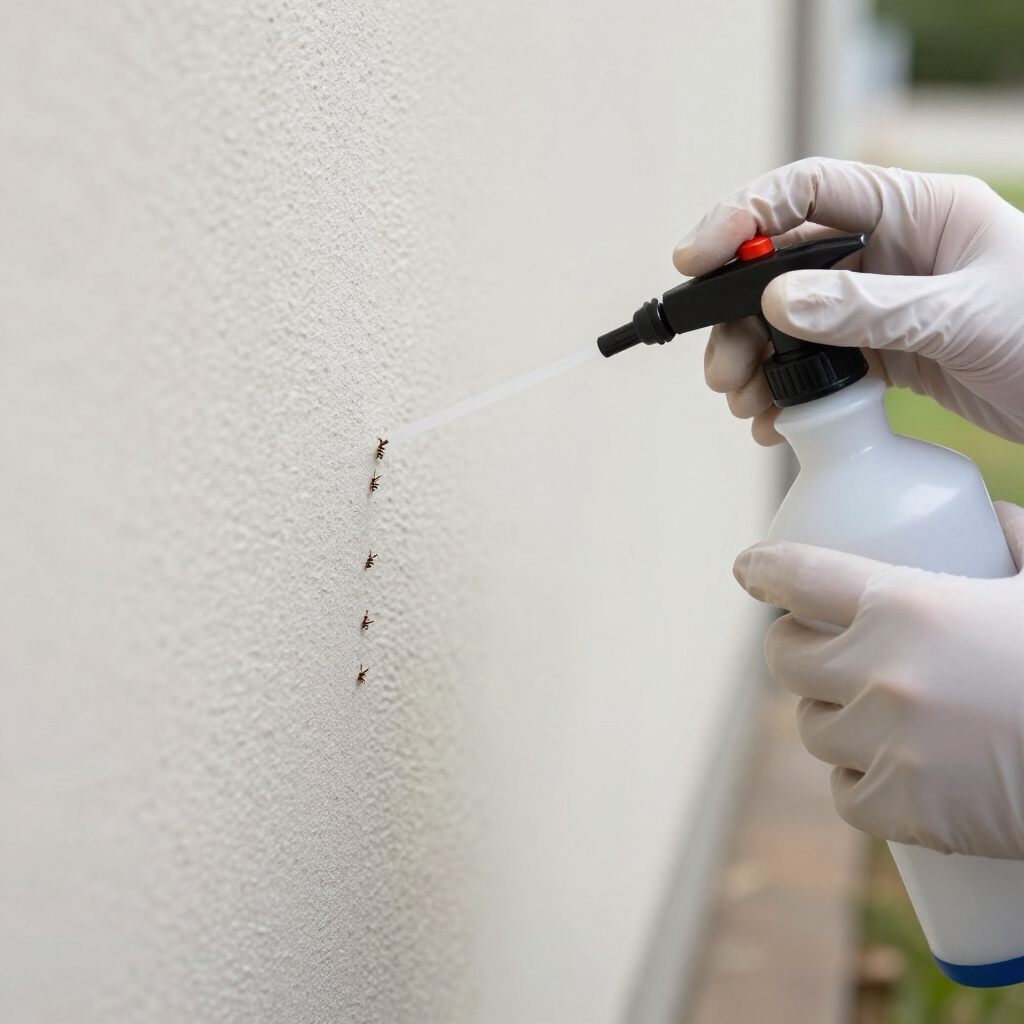


Pests don't take vacations. As the seasons change, so do the creatures trying to make your home their own. A reactive approach—waiting until you spot ants marching across the counter or hear scratching in the walls—often means you're already behind. The homeowners who win the battle against invasive pests are the ones who think ahead. This seasonal pest control checklist will help you stay one step ahead of nature's most determined squatters, protecting your home and your peace of mind all year long.
Why Seasonal Pest Control Matters for Every Homeowner
Seasonal pest control isn't just about convenience—it's about preventing the structural damage, health risks, and stress that come with full-blown infestations. Each season brings its own cast of characters. Spring awakens colonies that have been dormant. Summer drives populations to peak activity. Fall triggers desperate searches for winter shelter. Winter lulls you into complacency while hidden pests multiply undisturbed.
The most effective seasonal pest control strategy treats your home as a dynamic environment that needs different attention at different times of year. What works in March won't suffice in August. By aligning your prevention efforts with pest biology and behavior, you dramatically reduce your risk of expensive professional treatments down the line.
Your Year-Round Seasonal Pest Control Checklist
Spring (March–May): Awakening and Entry Prevention
As temperatures rise, ants, termites, wasps, and spiders become active. This is your foundation-setting season.
- Inspect your home's exterior for cracks, gaps around utility lines, and damaged screens. Seal openings with caulk or steel wool—rodents can squeeze through holes the size of a dime.
- Clean gutters and downspouts. Clogged gutters create moisture that attracts carpenter ants and mosquitoes.
- Trim shrubs and tree branches away from your home's exterior. Vegetation touching your house acts as a highway for insects and rodents.
- Remove standing water from bird baths, planters, and low spots in your yard. Mosquitoes breed in as little as a bottle cap of water.
- Schedule a professional termite inspection if you haven't had one in two years. Spring swarms are often the first visible sign of trouble.
Summer (June–August): Peak Activity Management
Heat and humidity accelerate breeding cycles. Mosquitoes, flies, fleas, ticks, and stinging insects are at their most problematic.
- Maintain your lawn at proper height and remove leaf litter where ticks and fleas harbor.
- Keep outdoor garbage in sealed containers and clean grills after use. Food odors draw wasps, hornets, and flies from surprising distances.
- Use yellow "bug lights" for outdoor fixtures. They're less attractive to flying insects than standard bulbs.
- Check window screens for tears and ensure door sweeps make proper contact with thresholds.
- Monitor indoor moisture levels. Run dehumidifiers in basements and crawl spaces—many summer pests crave damp conditions.
Fall (September–November): The Great Migration Indoors
As nights cool, rodents, spiders, boxelder bugs, stink bugs, and cluster flies actively seek warmth. This is perhaps the most critical season for exclusion work.
- Conduct your most thorough exterior inspection of the year. Pay special attention to roof lines, soffits, and foundation gaps.
- Install door sweeps and weatherstripping where needed. If you can see daylight under a door, mice can enter.
- Store firewood at least twenty feet from your home and elevate it off the ground. Wood piles harbor termites, ants, and rodents.
- Clean and inspect your attic. Look for droppings, gnaw marks, or nesting materials that indicate early occupation.
- Bring in outdoor furniture and store it properly. Cushions and umbrella stands often hide egg cases and overwintering adults.
Winter (December–February): Hidden Threat Vigilance
Cold weather doesn't eliminate pests—it consolidates them. Mice, rats, cockroaches, and silverfish remain active indoors where it's warm.
- Continue monitoring basements, attics, garages, and utility rooms. These quiet spaces become rodent headquarters.
- Store pantry items in airtight glass, metal, or thick plastic containers. Cardboard and thin plastic won't stop determined pantry pests.
- Inspect holiday decorations before bringing them indoors. Wreaths, stored ornaments, and firewood can transport hitchhikers.
- Address plumbing leaks promptly. Even minor moisture supports cockroach and silverfish populations when other water sources freeze outside.
- Maintain vigilance with traps in known risk areas. One mouse in January can become ten by March.
Key Tips for Making Seasonal Pest Control Stick
Consistency separates successful homeowners from those fighting recurring battles. Calendar your seasonal tasks and treat them with the same urgency as HVAC filter changes or smoke detector tests. A simple phone reminder on the first of each season can prevent the "I'll get to it next weekend" trap that allows problems to establish.
Know when to call professionals. DIY seasonal pest control handles prevention beautifully, but active infestations often require expertise. Multiple sightings, unexplained bites, droppings, or structural damage warrant professional assessment. The cost of early intervention pales against remediation of extensive damage.
Consider your local environment. Coastal homeowners face different challenges than those in arid climates or dense forests. Adapt this checklist to your region's dominant pests and weather patterns. Your county extension office or a trusted local pest professional can provide targeted guidance.
Involve your whole household. Pest prevention fails when one family member leaves doors propped open, ignores spills, or stores food improperly. Make seasonal pest control a shared responsibility with clear, simple expectations everyone understands.
Final Thoughts
A home protected through thoughtful seasonal pest control offers something no single treatment can—genuine peace of mind. The small investments of time you make each season compound into years of comfortable, pest-free living. Start with this checklist, adapt it to your home's specific vulnerabilities, and build habits that outlast any single pest season. Your future self, relaxing in a quiet home without unwelcome guests, will thank you for the foresight.