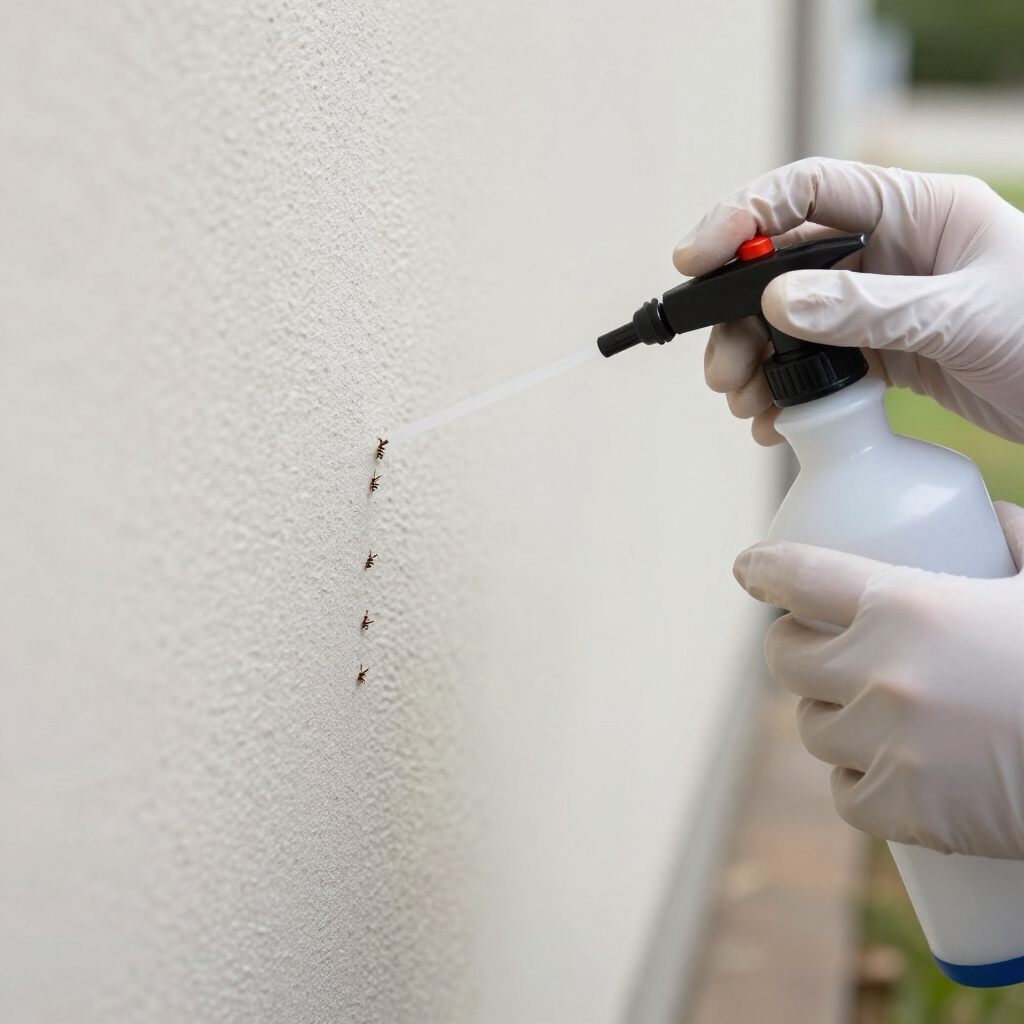


Pests have a way of making themselves at home where they're least wanted—chewing through garden greens, marching across kitchen counters, or nesting in quiet corners of the house. Before reaching for harsh chemical sprays, many homeowners are turning to natural pest control methods that have stood the test of time. The good news? These approaches aren't just eco-friendly alternatives—they're genuinely effective when applied with the right knowledge and consistency.
Natural Pest Control Methods That Actually Work in Your Garden
Your garden is often the first battleground against invading pests, and nature provides some of the best defenses right at your fingertips.
Companion planting creates a living pest management system. Marigolds release compounds from their roots that repel nematodes, while their strong scent confuses aphids and whiteflies. Plant them among your vegetables as a protective border. Nasturtiums act as trap crops, drawing aphids away from more valuable plants. Herbs like basil, rosemary, and mint repel mosquitoes, flies, and several beetle species—plus you get fresh seasonings for your kitchen.
Beneficial insects are your unpaid workforce. Ladybugs, lacewings, and parasitic wasps consume aphids, mites, and caterpillar eggs at remarkable rates. Attract and retain these allies by planting dill, fennel, yarrow, and Queen Anne's lace. Avoid broad-spectrum insecticides that kill indiscriminately, and you'll build a self-regulating ecosystem.
Homemade sprays deliver targeted results without synthetic chemicals. A simple garlic-pepper spray—blended garlic cloves, hot peppers, water, and a drop of biodegradable soap—deters chewing insects when applied to leaf surfaces. Neem oil, extracted from the neem tree, disrupts feeding and reproduction in over 200 insect species while remaining safe for bees and butterflies once dry. Apply neem in early morning or evening to protect pollinators.
Physical barriers stop problems before they start. Floating row covers exclude cabbage worms and flea beetles from brassicas. Copper tape around raised beds creates a mild electric charge that slugs and snails refuse to cross. Diatomaceous earth, made from fossilized algae, damages the waxy coating of soft-bodied insects—sprinkle it around plant bases and reapply after rain.
Keeping Your Home Pest-Free Naturally
Indoor pest control demands different tactics, but the principles remain the same: remove attractants, block entry points, and use targeted interventions.
Prevention through exclusion eliminates the conditions pests need to thrive. Seal cracks around windows, doors, and utility penetrations with silicone caulk—mice squeeze through gaps as small as a dime, and insects through much smaller spaces. Install door sweeps and repair torn screens promptly. Inside, store dry goods in airtight glass or metal containers, clean crumbs immediately, and fix leaky faucets that provide water sources.
Essential oils serve as potent repellents with pleasant aromas for humans. Peppermint oil strongly deters spiders, ants, and mice—add 15-20 drops to two cups of water with a splash of witch hazel, then spray along baseboards, window sills, and known entry points. Eucalyptus and tea tree oils repel dust mites and silverfish in closets and storage areas. Cedar blocks or shavings protect woolens from moth damage without the toxicity of mothballs.
Food-grade diatomaceous earth works indoors against crawling insects. Lightly dust behind appliances, under sinks, and along basement perimeters. The microscopic particles abrade the exoskeletons of ants, cockroaches, and silverfish, causing dehydration. Unlike chemical baits, it poses no risk to children or pets when used as directed—though the fine dust requires careful application to avoid respiratory irritation.
Vinegar solutions disrupt ant trails and erase the pheromone markers they follow. A 50/50 mixture of white vinegar and water cleans countertops and floors while sending foragers elsewhere. For fruit fly outbreaks, a small dish of apple cider vinegar covered with punctured plastic film becomes an irresistible trap.
Key Tips for Success with Natural Methods
Natural pest control rewards patience and precision more than overwhelming force. Apply these principles to improve your results dramatically.
Identify before treating. Correct identification determines whether an insect is actually a pest or a beneficial species in disguise. Many "pests" are harmless, and hasty treatment often creates worse problems by eliminating natural predators. Take clear photos and consult extension service resources when uncertain.
Start early and stay consistent. Natural methods typically work preventively or at first sign of infestation rather than eliminating heavy established populations. Scout your garden twice weekly during growing season. Monitor sticky traps indoors to catch issues before they escalate.
Combine multiple tactics. Integrated pest management—using cultural, physical, and biological controls together—outperforms any single method. Row covers plus beneficial insects plus targeted sprays create redundant protection that pests struggle to overcome.
Accept reasonable thresholds. A few nibbled leaves rarely threaten plant health or harvest quality. Natural gardening embraces some cosmetic damage as the cost of ecological balance. Action thresholds vary by crop and pest, but overreacting to minor issues wastes effort and disrupts beneficial populations.
Source quality materials. Cold-pressed neem oil retains more active compounds than solvent-extracted alternatives. Fresh, organic garlic and peppers yield more potent homemade sprays. Food-grade diatomaceous earth differs significantly from pool-grade products, which contain crystalline silica hazardous to lungs.
Final Thoughts
Natural pest control methods that actually work share a common foundation: they leverage ecological relationships rather than overriding them with brute chemical force. The garden that hums with pollinators and predatory insects, the home that smells of peppermint rather than synthetic pesticides—these aren't sacrifices made for environmental virtue. They're sustainable systems that become more effective and less labor-intensive as they mature.
The transition from conventional to natural pest management may require adjusting expectations and refining techniques across a season or two. Early frustrations typically reflect application timing, identification errors, or unrealistic demands for perfection. Persist, observe closely, and let nature's existing pest control mechanisms strengthen with your support. The reward is a healthier home environment, richer garden soil, and the satisfaction of solving problems through understanding rather than domination.