
Finding unwanted guests in your home is never pleasant—especially when they scurry across your kitchen floor at midnight or leave mysterious bite marks on your family members. Household pests are more than just a nuisance. They can damage your property, contaminate your food, and even pose serious health risks to your loved ones. The good news? Most infestations are entirely preventable with the right knowledge and consistent habits. In this guide, we'll walk through the most common household pests and share practical, proven strategies to keep them outside where they belong.
Most Common Household Pests and How to Prevent Them
Every region has its own pest challenges, but certain invaders show up in homes across the country regardless of climate. Understanding what attracts these pests and how they enter is your first line of defense.
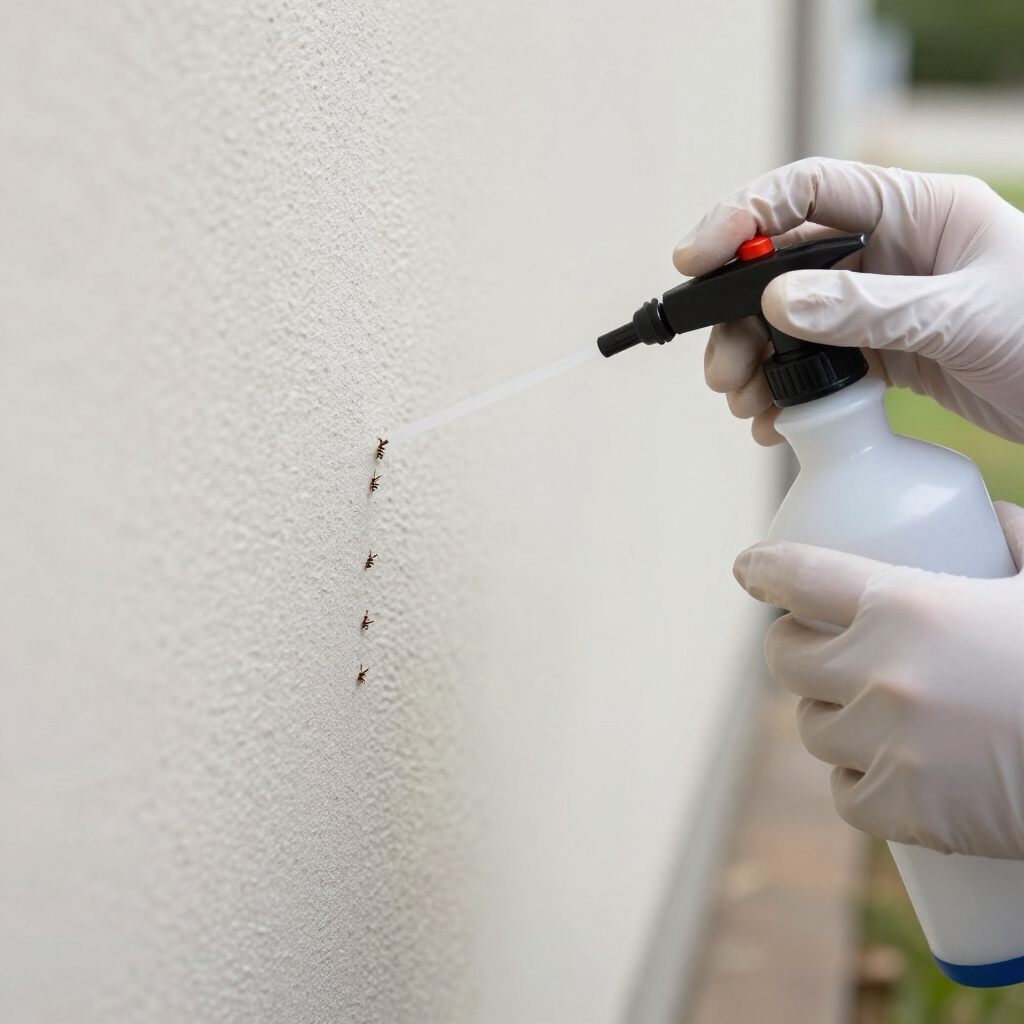
Ants top the list for sheer persistence. These tiny foragers can detect the smallest food residue and will establish scent trails that bring hundreds of their colony mates marching into your kitchen. Sugar ants, carpenter ants, and odorous house ants each have slightly different habits, but they all seek the same things: food, moisture, and shelter.
Cockroaches thrive in warm, humid environments with access to food and water. German cockroaches, in particular, reproduce rapidly and can hide in the smallest cracks. They're not just disgusting to encounter—they spread bacteria, trigger allergies, and can worsen asthma symptoms, especially in children.
Rodents like mice and rats enter homes seeking warmth and nesting materials. A mouse can squeeze through an opening as small as a dime, and once inside, they gnaw on wires, insulation, and even structural elements. Their droppings and urine contaminate surfaces and can spread serious diseases.
Spiders typically wander indoors following their prey. While most common house spiders are harmless, species like brown recluses and black widows require caution. Reducing other insect populations naturally limits spider presence.
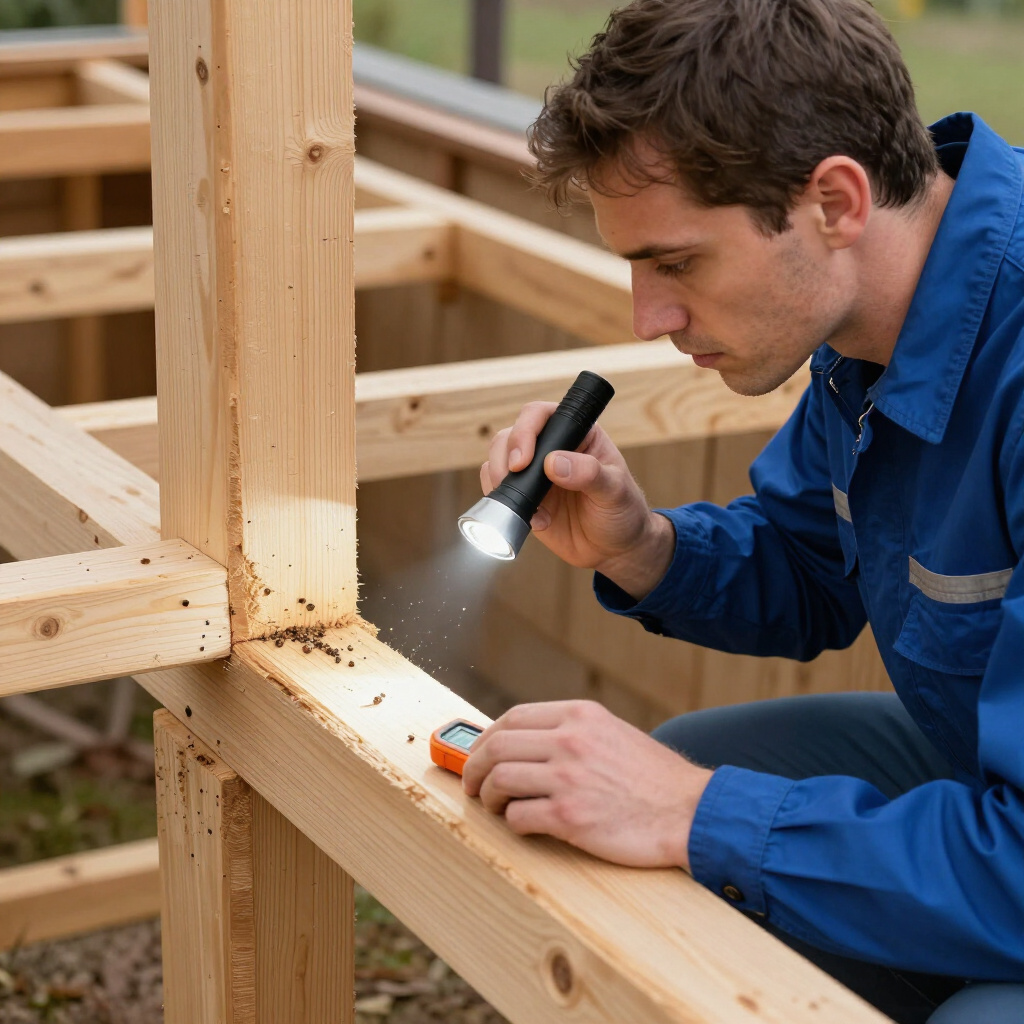
Termites operate silently and can cause catastrophic structural damage before you ever notice them. Subterranean termites build mud tubes to access wood, while drywood termites can infest furniture and framing directly. Annual inspections are essential in high-risk areas.
Bed bugs have made a significant resurgence and can hitchhike into your home on luggage, used furniture, or clothing. These nocturnal parasites hide in mattress seams, baseboards, and electrical outlets, making them notoriously difficult to eliminate without professional intervention.
Prevention Strategies That Actually Work
Effective pest prevention isn't about luck—it's about eliminating the conditions that attract pests and blocking their access points. Start with a thorough exterior inspection of your home.
Seal all entry points. This is the single most impactful step you can take. Use silicone caulk around windows and doors, install door sweeps, repair torn screens, and seal gaps around utility lines where they enter your home. Pay special attention to the foundation, roofline, and areas where different building materials meet. Steel wool combined with caulk works excellently for mouse-prone gaps, as rodents cannot chew through it.
Manage moisture diligently. Most pests need water to survive, and many prefer humid conditions. Fix leaky faucets promptly, ensure your bathroom and kitchen have adequate ventilation, address condensation on pipes, and maintain your gutters so water drains away from your foundation. Consider using dehumidifiers in basements and crawl spaces where dampness persists.
Store food properly. Keep pantry items in airtight glass, metal, or thick plastic containers—not the original cardboard or thin plastic packaging that pests can easily penetrate. Never leave pet food out overnight, clean up crumbs immediately, and take out garbage regularly using bins with tight-fitting lids.
Maintain your landscape strategically. Trim tree branches and shrubs so they don't touch your home's exterior—these serve as bridges for ants, rodents, and other pests. Keep firewood stacked at least twenty feet from your house and elevated off the ground. Reduce dense ground cover near the foundation, and avoid over-mulching, which creates ideal habitat for many pests.
Practice vigilant housekeeping. Regular vacuuming removes food particles, pest eggs, and allergens. Don't let clutter accumulate, especially in storage areas where pests can nest undisturbed. Clean under appliances, inside cabinets, and along baseboards where debris collects.
Key Tips for Ongoing Protection
Prevention requires consistency, not just a one-time effort. Establish these habits to maintain a pest-resistant home year-round.
Inspect your home seasonally, as different pests become active at different times. Spring brings ant swarms and termite activity. Summer increases mosquito and fly pressure. Fall drives rodents and overwintering insects indoors. Winter may reveal hidden infestations as pests cluster in warm interior spaces.
Learn to recognize early warning signs. Sawdust-like frass near woodwork suggests carpenter ants or termites. Greasy rub marks along baseboards indicate rodent traffic. Shed skins or egg casings signal cockroach activity. Small reddish-brown stains on bedding may mean bed bugs. The sooner you identify a problem, the easier and less expensive it is to address.
Know when to call a professional. DIY methods work well for minor, isolated issues, but established infestations—especially termites, bed bugs, and widespread rodent problems—require specialized expertise, equipment, and treatments. A licensed pest control professional can also provide preventive perimeter treatments and identify vulnerabilities you might miss.
Avoid over-relying on chemical sprays from hardware stores. Misapplied pesticides can harm your family and pets while pushing pests deeper into hiding without solving the underlying problem. Integrated Pest Management (IPM) approaches prioritize physical exclusion, habitat modification, and targeted, minimal chemical use when necessary.
Final Thoughts
Protecting your home from pests is fundamentally about being proactive rather than reactive. The same habits that keep your living space clean, dry, and well-maintained also make it profoundly unappealing to the creatures that want to move in. Most Common Household Pests and How to Prevent Them isn't just a topic for anxious homeowners—it's essential knowledge for anyone who values their property investment and family's wellbeing.
Start with one or two prevention strategies this week, then build your defenses over time. Seal those gaps you've been noticing. Organize that cluttered storage room. Schedule that inspection you've been postponing. Every step you take makes your home less hospitable to pests and more comfortable for the people who actually belong there. When prevention fails despite your best efforts, don't hesitate to bring in professional expertise—sometimes the smartest homeowner is the one who knows when to ask for help.