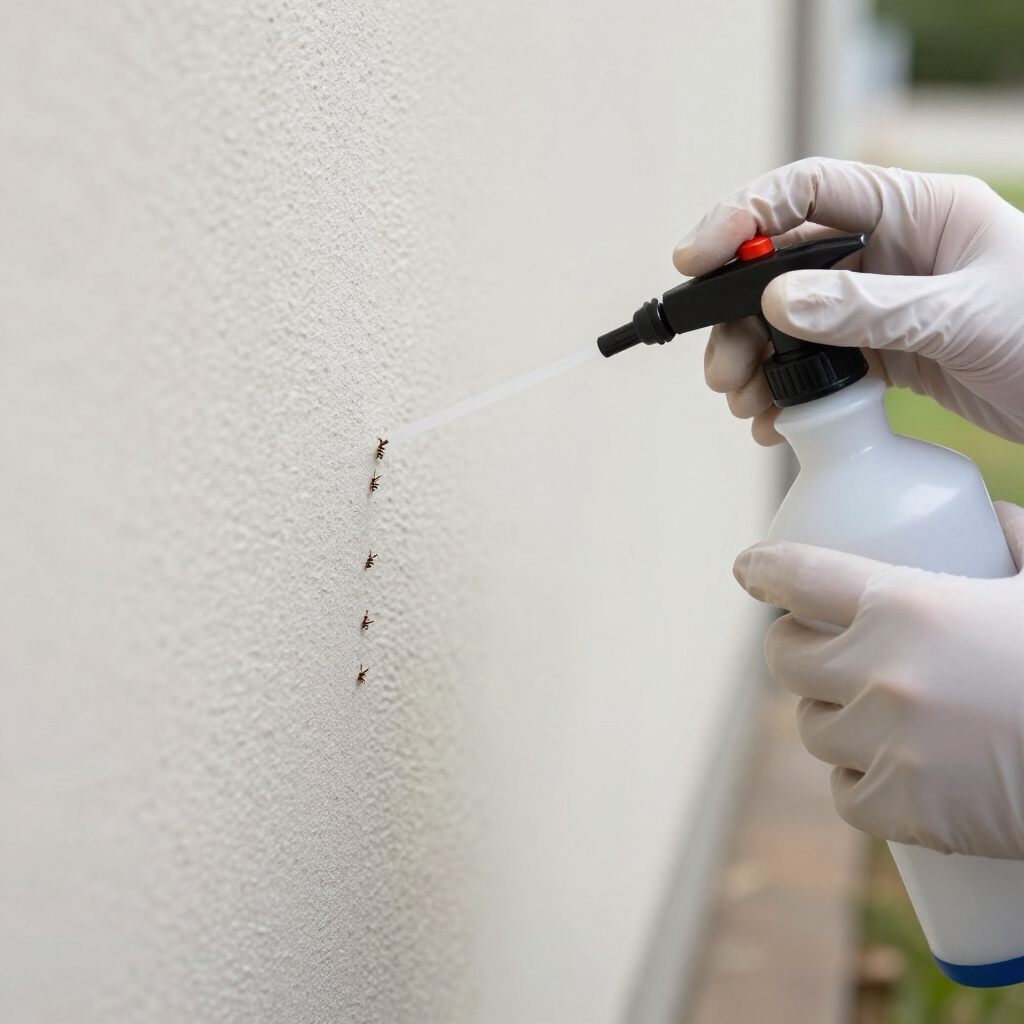

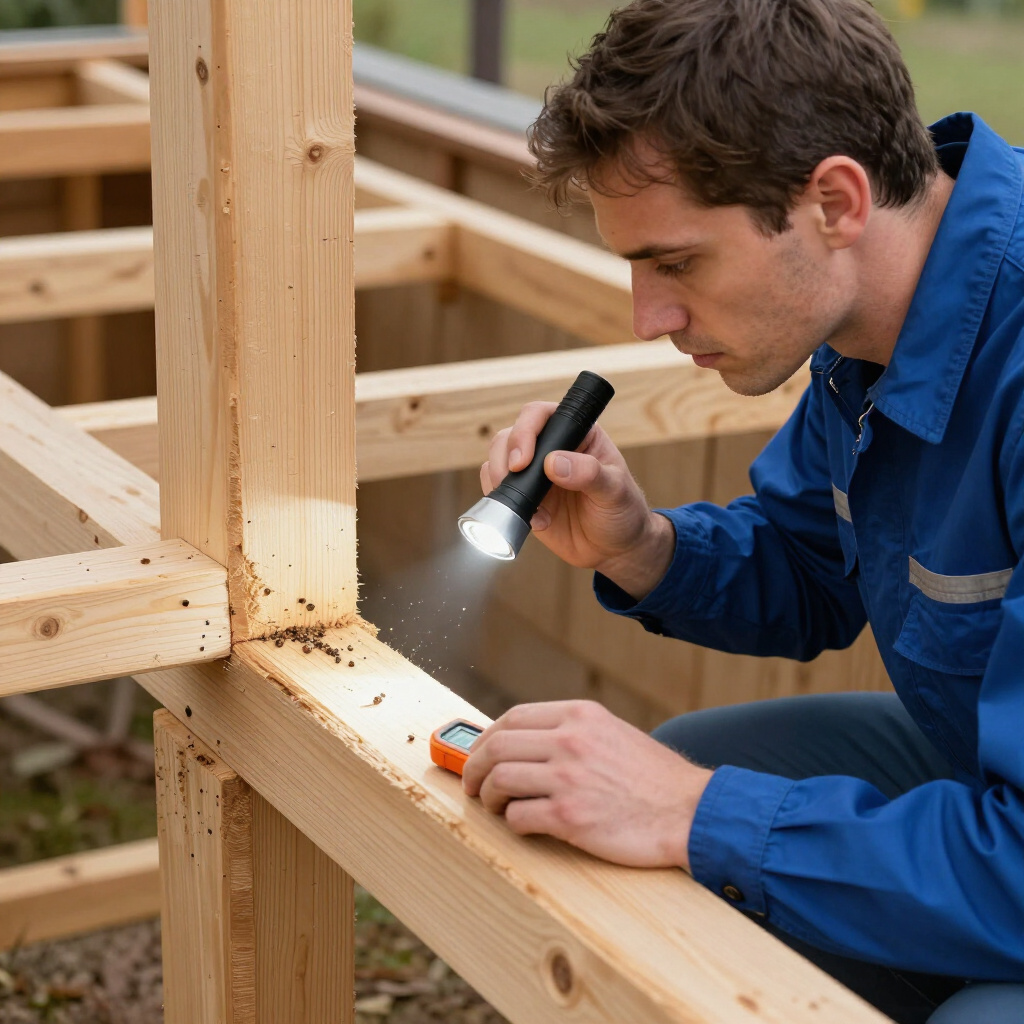
Few things are more frustrating than watching a steady stream of ants march across your kitchen counter like they own the place. These persistent little invaders seem to appear out of nowhere, turning your clean home into their personal buffet. The good news? With a few smart strategies and consistent habits, you can make your home far less appealing to ants and stop infestations before they start. Here's everything you need to know about keeping ants outside where they belong.
How to Prevent Ants From Invading Your Home Starts With Understanding Their Behavior
Ants don't randomly stumble into your home—they're on a mission. Worker ants leave their colony in search of food and moisture, laying down a chemical trail of pheromones for their nest-mates to follow. This is why you often see ants traveling in neat, predictable lines. Once a scout finds something worth returning to, that trail becomes a highway.
Spring and summer bring increased ant activity, but indoor invasions can happen year-round, especially during periods of heavy rain or extreme heat when outdoor conditions become uncomfortable. Understanding this behavior helps you think like an ant prevention strategist rather than just reacting to sightings.
The most effective approach targets what ants actually need: access to food, water, and entry points. Remove these opportunities, and ants will look elsewhere for easier pickings.
Seal Every Possible Entry Point
Ants are remarkably resourceful when it comes to finding ways inside. They can squeeze through cracks as thin as a credit card and exploit gaps you'd never notice. A thorough perimeter inspection is one of the most valuable investments of time you can make.
Start by examining your home's foundation, paying special attention to where utility lines enter the structure. Seal cracks in concrete with silicone caulk, and use weatherstripping around doors and windows. Don't overlook these commonly missed access points:
- Gaps around plumbing pipes under sinks and behind toilets
- Spaces between window air conditioning units and frames
- Cracks in basement walls or along floor joints
- Tears in door sweeps or missing threshold seals
- Openings around dryer vents and outdoor faucets
Check these areas seasonally, as materials expand and contract with temperature changes, creating new vulnerabilities over time.
Key Tips for Eliminating Food and Water Sources
Ants have incredibly sensitive olfactory receptors and can detect food from surprising distances. Your kitchen represents their jackpot, but they're not picky—pet food bowls, garbage cans, and even damp sponges attract attention.
Store pantry staples in airtight containers made of glass, metal, or thick plastic. Ants can chew through thin plastic bags and cardboard, so don't trust original packaging alone. Clean your pantry shelves regularly to remove spills and crumbs that accumulate in corners.
In the kitchen, wipe down counters after every meal preparation. Sweep floors daily, and don't forget to clean under appliances where food debris collects unnoticed. Run your garbage disposal regularly, and keep trash in cans with tight-fitting lids. Take garbage out frequently rather than letting it sit, especially if you've discarded food scraps.
Address moisture issues with equal urgency. Fix leaky faucets promptly, and ensure your bathroom has adequate ventilation. Even condensation on pipes can sustain thirsty ants. Empty pet water bowls at night and refill them in the morning, or place them on a tray with a moat of soapy water that ants cannot cross.
Outdoors, maintain a clean zone around your foundation. Move firewood piles, compost bins, and dense vegetation at least several feet away from your house. Trim tree branches and shrubs that touch or overhang your roof or walls—these serve as natural bridges straight to your home.
When to Consider Professional Intervention
Even diligent prevention sometimes meets its match, particularly with certain ant species. Carpenter ants, for instance, nest in moist wood and can cause structural damage over time. Pharaoh ants and odorous house ants are notoriously difficult to eradicate with over-the-counter products because of their multiple nesting sites and colony-splitting behaviors.
If you're seeing ants consistently despite your best efforts, or if you notice large winged ants emerging indoors, it's time to call in expertise. Pest control professionals can identify the specific species, locate hidden nests, and apply targeted treatments that address the root of the problem—not just the visible symptoms.
Professionals also have access to bait formulations that ants carry back to the colony, eliminating the queen and destroying the entire nest. This approach is far more effective than spraying visible ants, which often causes colonies to fracture and spread.
Final Thoughts
Preventing ant invasions is fundamentally about consistency and attention to detail. The homes that stay ant-free aren't necessarily cleaner—they're simply less accessible and less rewarding for foraging ants. Seal entry points vigilantly, store food properly, eliminate moisture, and maintain your outdoor perimeter. These habits, practiced together, create an environment where ants simply don't find what they need.
Remember that seeing a few ants doesn't mean you've failed. It means you have an opportunity to investigate, clean, and reinforce your defenses before a minor presence becomes a major problem. Stay proactive, and you'll spend far less time battling unwanted six-legged guests—and far more time enjoying your home in peace.