
There's something uniquely unsettling about walking into a room and spotting a spider dangling from the ceiling or scurrying across the floor. While most household spiders are harmless and even helpful at controlling other pests, that knowledge rarely brings comfort when you're the one who has to deal with them. The good news? Keeping spiders out of your house doesn't require harsh chemicals or constant vigilance—just a smart, consistent approach that makes your home far less appealing to these eight-legged visitors.
How to Keep Spiders Out of Your House by Sealing Entry Points
Spiders are surprisingly skilled at finding their way indoors through gaps and cracks you'd never notice. The most effective long-term strategy starts with making it physically difficult for them to enter in the first place.
Begin with a thorough inspection of your home's exterior. Check around windows and doors for deteriorated weather stripping, paying special attention to the bottom of doors where gaps commonly form. Caulk cracks in foundations, around utility pipe entrances, and along where siding meets trim. Don't overlook vents—cover them with fine mesh screens that allow airflow while blocking spiders and the insects they hunt.
Even tiny openings matter. A spider can squeeze through gaps as small as a quarter-inch. Take your time with this process, working methodically around your home's perimeter. The effort invested here pays dividends throughout the year, as sealed entry points also improve energy efficiency and reduce drafts.
Reduce the Insects That Attract Spiders
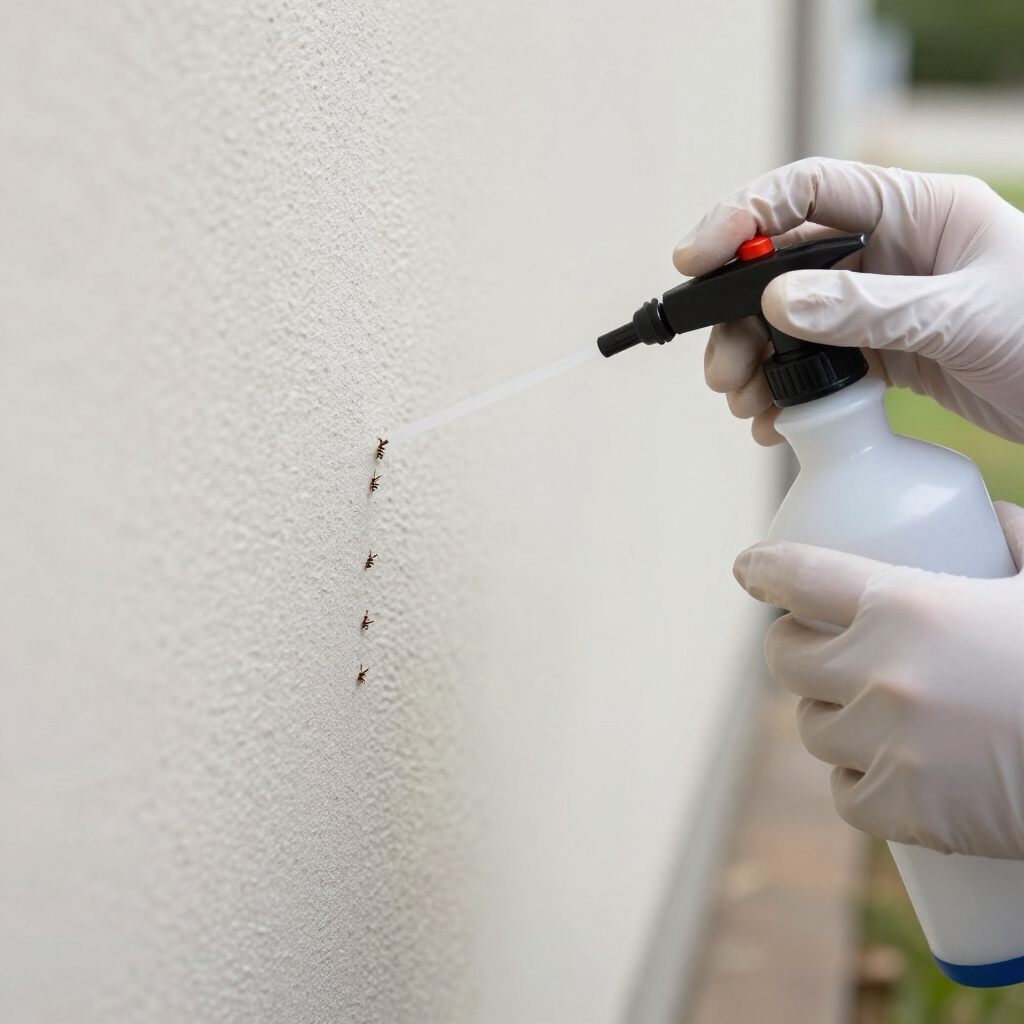
Spiders don't enter your home for shelter alone—they follow food sources. An abundance of flies, moths, ants, or other insects essentially rolls out the welcome mat for hunting spiders. Addressing this underlying attraction transforms your home from a spider buffet into a place they simply pass by.
Start with your lighting. Outdoor lights left on overnight draw swarms of insects, which in turn draw spiders. Switch to yellow-toned "bug lights" or motion-activated fixtures that minimize constant illumination. Inside, keep window shades drawn after dark when lights are on, preventing insects from gathering at glass and luring spiders to these concentrated hunting grounds.
Manage moisture diligently. Damp basements, leaky pipes, and humid bathrooms support thriving insect populations. Run dehumidifiers in chronically moist spaces, fix plumbing issues promptly, and ensure proper ventilation in kitchens and bathrooms. The drier your home, the fewer insects—and by extension, the fewer spiders—you'll encounter.
Proper food storage and prompt cleanup of crumbs and spills also matter enormously. A clean kitchen with sealed containers simply supports far fewer insects than one with accessible food debris.
Landscaping and Outdoor Maintenance Strategies
Your yard and home's immediate surroundings significantly influence indoor spider activity. The goal is creating reasonable distance between spider-friendly habitats and your foundation.
Keep vegetation trimmed back from exterior walls. Dense shrubs, overgrown ground covers, and climbing vines touching your home provide bridges for spiders to access upper levels and rooflines. Maintain a gap of at least twelve inches where possible. Similarly, relocate firewood piles, compost bins, and rock gardens away from the foundation—these are prime spider habitats that become launching points for indoor invasion.
Clean gutters regularly. Clogged gutters with accumulated leaves and debris attract insects and the spiders that feed on them. Water overflow also damages siding and creates moist conditions conducive to pest problems. Seasonal gutter maintenance prevents multiple issues simultaneously.
Consider your mulch choices carefully. Thick layers of traditional wood mulch near foundations hold moisture and harbor insects. Inorganic options like gravel or rubber mulch, or thinner applications of organic material, reduce this harborage while still supporting plantings.
Smart Indoor Habits That Discourage Spiders
How you maintain your indoor environment significantly impacts spider presence. Regular, thorough cleaning removes webs, egg sacs, and the insect debris that signals good hunting to exploring spiders.
Focus cleaning attention on often-neglected areas: behind furniture, in corners where walls meet ceilings, inside closets, and beneath appliances. Vacuum with a hose attachment to reach these spaces effectively, immediately disposing of the vacuum contents outdoors to prevent re-infestation.
Declutter relentlessly. Cardboard boxes, piled newspapers, and accumulated storage items create undisturbed harborage where spiders establish themselves unnoticed. Transition to sealed plastic containers for storage, and periodically assess whether kept items truly merit the space they occupy.
In basements and crawl spaces, consider installing better lighting and improving air circulation. Spiders prefer quiet, dark, undisturbed environments—making these spaces less cave-like naturally reduces their appeal.
When to Consider Professional Pest Control
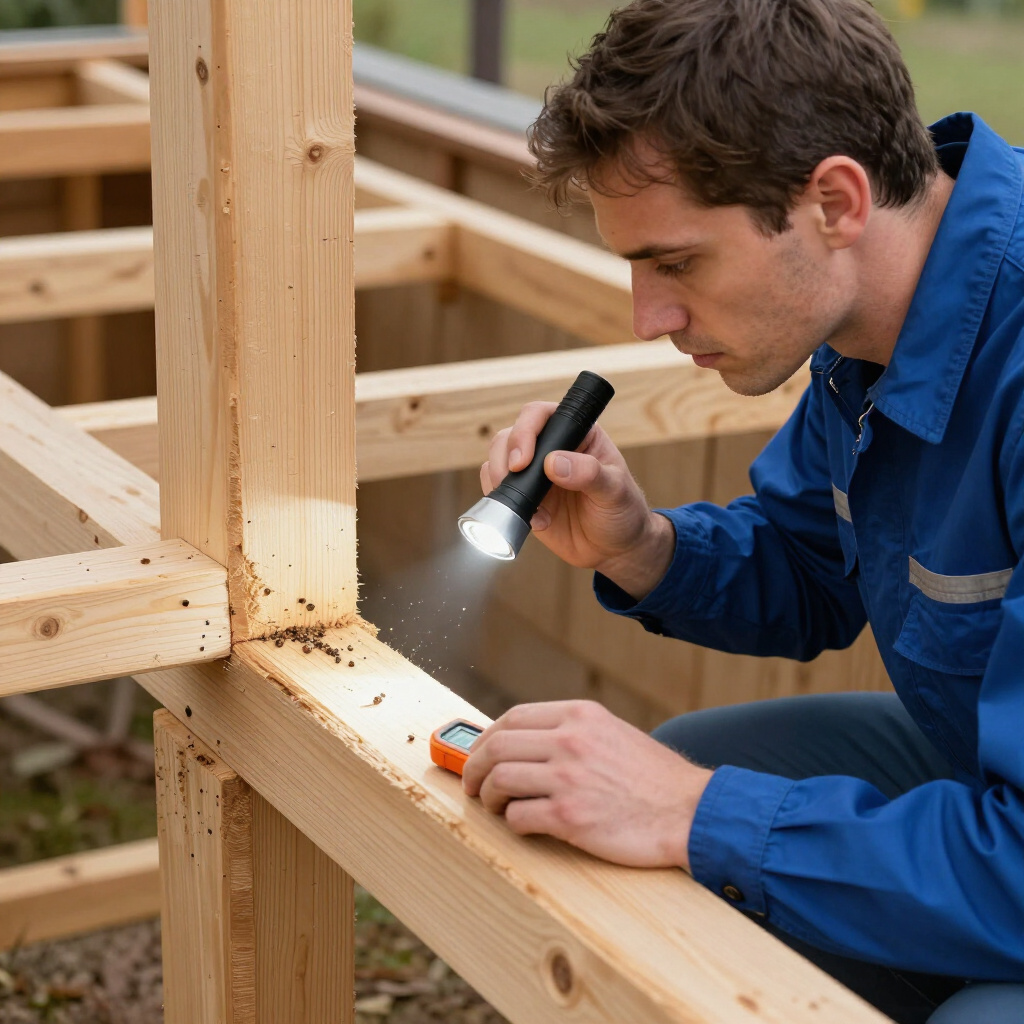
Despite best efforts, some homes face persistent spider issues due to construction characteristics, surrounding environment, or unidentified entry points. Professional pest control brings trained expertise to these challenging situations.
Technicians can identify species accurately, distinguishing between harmless common spiders and those requiring more cautious handling. They access specialized tools and treatment formulations unavailable to homeowners, applying targeted solutions with precision that minimizes unnecessary chemical use.
Perhaps most valuably, professionals spot contributing factors homeowners miss—subtle moisture patterns, hidden entry routes, or developing insect infestations that sustain spider populations. Their comprehensive assessment often reveals interconnected issues that piecemeal DIY approaches fail to address.
If you're seeing spiders daily, finding numerous webs throughout active living areas, or encountering potentially dangerous species, professional evaluation provides peace of mind and effective resolution. The investment typically proves far preferable to ongoing frustration with incomplete DIY results.
Final Thoughts
Learning how to keep spiders out of your house combines practical home maintenance with understanding spider behavior and motivations. No single tactic guarantees complete elimination, but layering multiple strategies—sealing entry points, reducing insect prey, managing your landscape, and maintaining clean, dry indoor conditions—creates cumulative protection that dramatically reduces encounters.
Patience matters. Established spider populations don't disappear overnight, and seasonal patterns mean some increased activity is natural during certain times of year. Stay consistent with your efforts, adjust based on what you observe, and don't hesitate to supplement your work with professional expertise when situations warrant.
Your home should feel genuinely comfortable, not like shared territory with uninvited arachnid guests. With the approaches outlined here, that comfort is well within reach.